Scroll-stopping visuals are no longer enough.
Today’s audiences don’t just want to look at content—they want to engage with it. That is exactly why AR infographics are becoming one of the most powerful tools in modern marketing and communication.
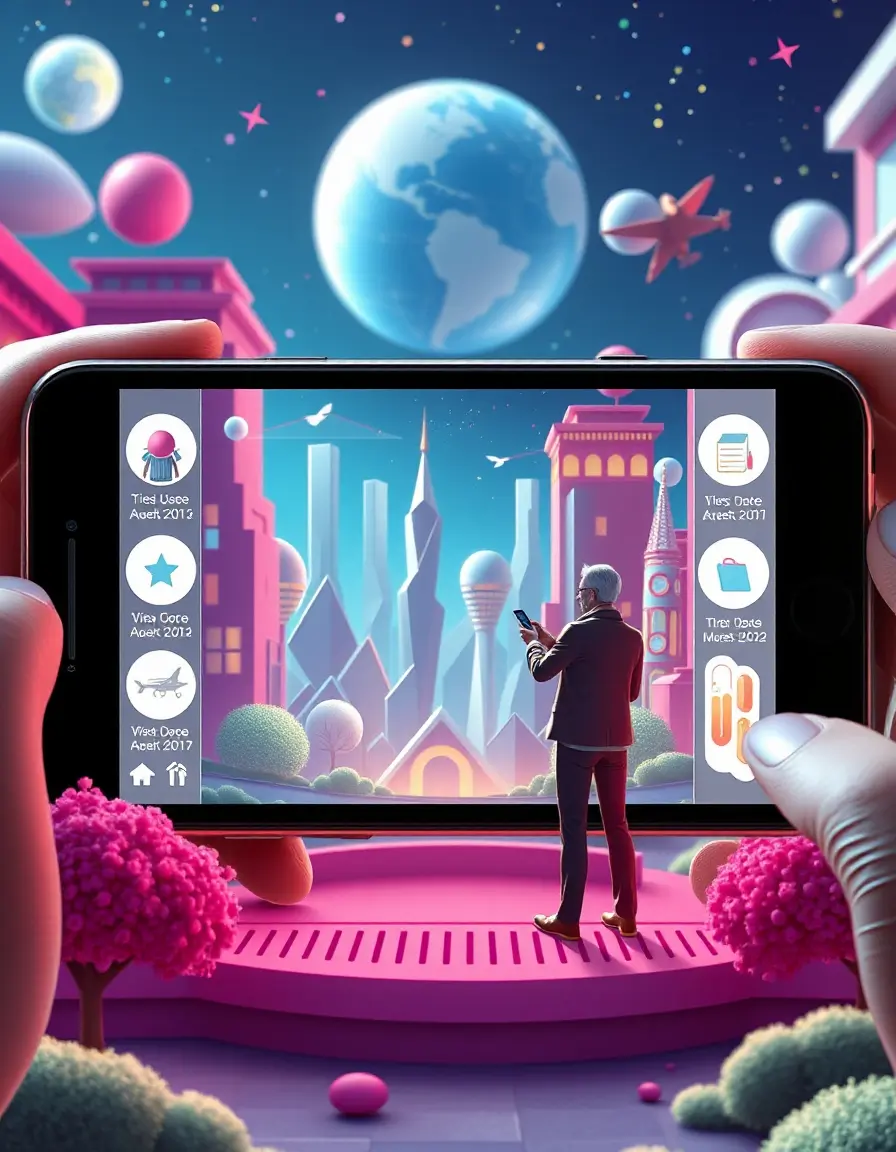
By combining augmented reality with 3D visualization, AR infographics transform flat information into interactive experiences that people can explore in real space using their phones or tablets.
In a world where attention spans are shorter than ever, brands need more than attractive graphics. They need experiences that create impact, improve understanding, and stay memorable.
That is where AR infographics lead the way.
What are AR infographics?
Think of your best infographic—but upgraded with motion, depth, and interaction.
AR infographics allow users to place a visual presentation into their physical environment. Instead of viewing static charts or diagrams on a screen, users can:
- Walk around the infographic
- Zoom into key areas
- Tap sections for details
- Trigger animations
- View products or concepts in 3D
This means the audience is no longer reading information—they are experiencing it.
That shift dramatically improves engagement and retention.
Why AR infographics are so effective
When 3D visuals meet augmented reality, brands gain several advantages.
1. Immersive communication
Users no longer have to imagine what something looks like. They can see it directly in front of them.
2. Interactive engagement
Instead of passively scrolling, people can rotate, explore, and interact with content.
3. Better memory retention
People remember experiences more than static visuals or text-heavy pages.
4. Stronger buying confidence
Seeing how a product fits into real life helps reduce hesitation and increase conversions.
This makes AR infographics useful not just for branding—but for real business results.

Who is already using AR infographics?
Many industries are already benefiting from this technology.
Retail
Furniture brands let customers preview products in their homes before buying.
Education
Teachers turn complex science topics into hands-on visual experiences.
Real Estate
Developers showcase future properties on empty land through AR overlays.
Marketing
Brands launch campaigns with interactive product stories and immersive promotions.
The common result is simple:
More engagement. More understanding. More attention.
Is this just hype?
No. AR infographics are practical, scalable, and increasingly accessible.
With WebAR technology, users no longer need to download apps. They simply scan a QR code or tap a link to launch the experience instantly in their browser.
That lower barrier to entry means more brands can adopt AR campaigns without heavy development costs.
As customer expectations continue to rise, interactive content is quickly becoming the standard.
Why businesses should act now
If your visuals are still limited to static images, you may be missing opportunities to connect with modern audiences.
AR infographics help businesses:
- Increase engagement rates
- Explain complex ideas faster
- Improve customer confidence
- Differentiate from competitors
- Create memorable brand experiences
Brands that adopt this early gain a major communication advantage.
Final thoughts
AR infographics are more than a visual trend. They are the next evolution of storytelling.
They combine the clarity of infographics, the realism of 3D visualization, and the immersion of augmented reality into one powerful format.
At 2MC 24/7, we help brands turn products, data, and ideas into interactive experiences people do not just see—they remember.
If you want your next campaign to stand out, AR infographics may be the smartest next step.

How AR infographics improve customer decision-making
One of the biggest reasons brands are investing in AR infographics is their ability to simplify decision-making.
Many customers hesitate before making a purchase because they cannot fully understand a product from standard photos or written descriptions alone. AR infographics solve this problem by letting users view products, features, and data in a more realistic and interactive way.
For example, instead of reading measurements on a product page, a customer can see the item placed in their own room through augmented reality. Instead of reading a complex process chart, a user can explore a 3D visual guide step by step.
This removes uncertainty and creates confidence.
When people clearly understand what they are buying or learning, they are more likely to take action. That is why AR infographics are becoming valuable tools not only for marketing, but also for education, training, product launches, and customer support.
As digital audiences continue to expect faster and better experiences, interactive visual content gives brands a clear advantage.