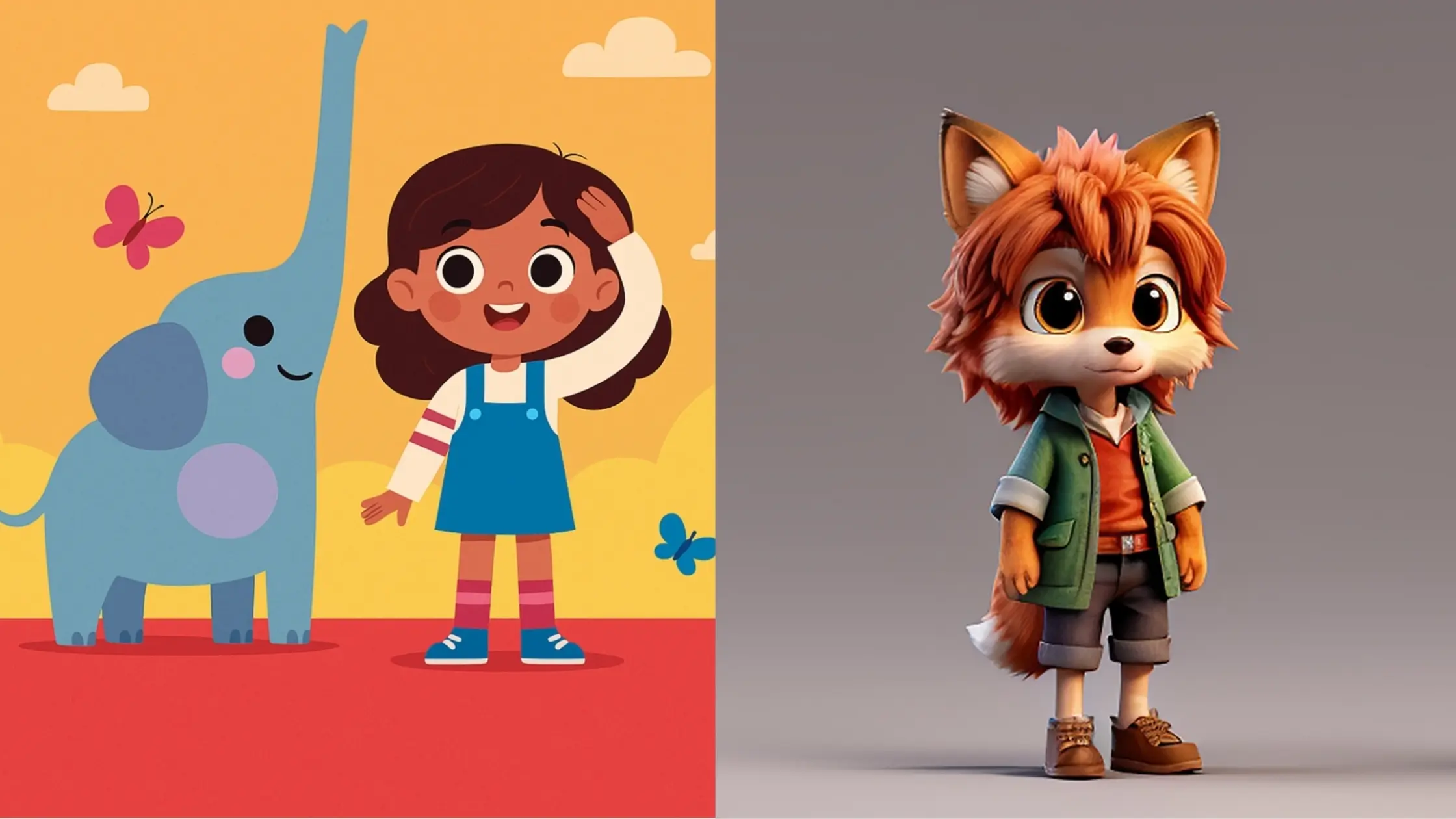
The question of 2D vs 3D animation is one of the most common dilemmas for aspiring animators. As the demand for animation grows across film, gaming, marketing, and digital content, choosing the right path has become more important than ever.
Both styles offer exciting opportunities, but understanding the differences between 2D vs 3D animation can help you make a more informed decision based on your skills and interests.
What Is the Difference Between 2D vs 3D Animation?
At its core, the difference between 2D vs 3D animation lies in how visuals are created and experienced.
- 2D animation uses flat, two-dimensional images. Each frame is drawn or digitally illustrated, often requiring strong artistic skills.
- 3D animation creates characters and objects in a three-dimensional space using digital software, allowing for depth, lighting, and realistic movement.
A simple way to think about 2D vs 3D animation is this:
2D is like drawing a flipbook, while 3D is like controlling a digital puppet in a virtual world.

Features and Strengths of 2D Animation
In the 2D vs 3D animation comparison, 2D animation stands out for its artistic and expressive nature.
Key characteristics:
- Frame-by-frame drawing or digital illustration
- Strong focus on storytelling and style
- Ideal for artists who enjoy sketching and design
Classic examples of 2D animation include Tom and Jerry and The Jungle Book, which showcase timeless storytelling and artistic creativity.
2D animation remains popular in marketing, explainer videos, and stylized storytelling because of its flexibility and emotional appeal.
How 3D Animation Works
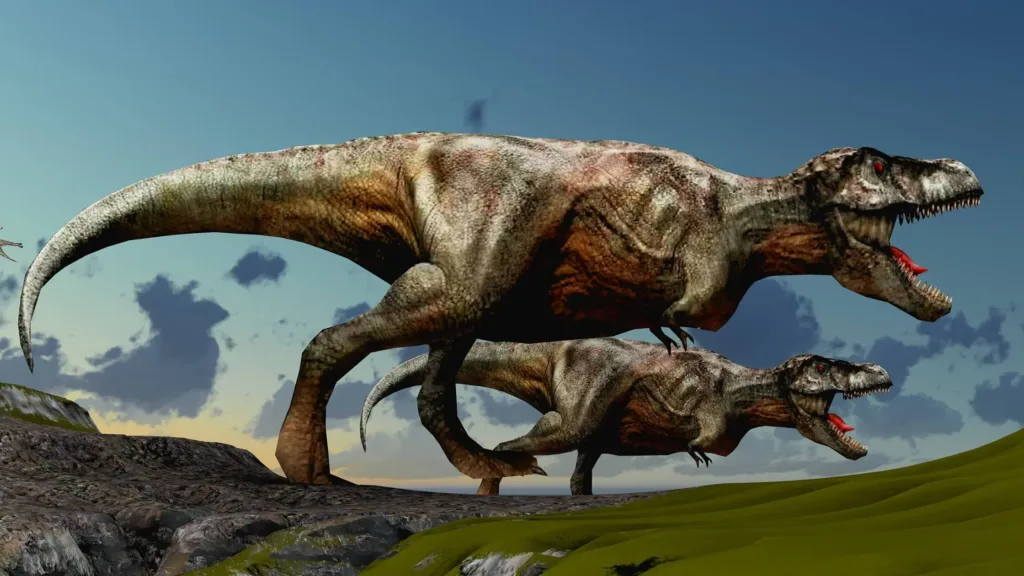
In contrast, 2D vs 3D animation shows how 3D animation focuses more on technical execution combined with creativity.
The process includes:
- Building a digital 3D model
- Rigging the model with a skeleton
- Animating movement using software tools
- Applying lighting, textures, and rendering
Examples like Toy Story and Kung Fu Panda demonstrate how 3D animation creates immersive, realistic worlds.
3D animation is ideal for those who enjoy working with technology, problem-solving, and structured workflows.
2D vs 3D Animation: Pros and Cons
Understanding the advantages of 2D vs 3D animation helps clarify which path suits you best.
Pros of 2D Animation
- Strong creative and artistic expression
- Lower technical barrier to start
- Ideal for storytelling and stylized visuals
Pros of 3D Animation
- High demand in film, gaming, and product visualization
- Realistic lighting and depth
- Scalable production for large projects
Shared Considerations
- Both require time and dedication to master
- Both can be used for freelance or remote work
- Both follow the same animation principles
In the 2D vs 3D animation decision, neither is better — they simply serve different purposes and strengths.
Career Opportunities in 2D vs 3D Animation
The career outlook for 2D vs 3D animation is strong in both areas.
2D animation is widely used in:
- Advertising and explainer videos
- Educational content
- Mobile apps and indie projects
3D animation dominates in:
- Film and visual effects
- Video games
- Product visualization and architecture
As industries continue to evolve, both 2D vs 3D animation offer flexible career paths, including freelance, studio work, and remote opportunities.
So… Which One Should You Study?
The best way to decide between 2D vs 3D animation is to explore both.
If you prefer:
- Drawing and artistic storytelling → choose 2D
- Technology and digital environments → choose 3D
Many professionals today combine both skills, making them more versatile in the industry. Learning the fundamentals of 2D vs 3D animation can give you a strong foundation regardless of your final choice.
Conclusion: Choose Based on Strengths and Goals
The decision between 2D vs 3D animation ultimately depends on your interests, strengths, and career goals.
2D animation offers artistic freedom and expressive storytelling. 3D animation provides technical depth and industry demand. Both paths are valuable and continue to grow as animation becomes more important in digital media.
At 2MC24/7, we believe the best results come from combining creativity with the right tools and workflows.
Explore our 3D visualization services: https://2mc247.com/
Because in the end, success in animation isn’t about choosing one over the other — it’s about mastering the style that best fits your vision and evolving with the industry.