The debate around AI vs human 3D animation is becoming more relevant as technology continues to evolve. With rapid advancements in artificial intelligence, many are asking whether machines will eventually replace human animators.
While AI tools are improving speed and efficiency, the reality of AI vs human 3D animation is not about replacement — it’s about transformation. Both approaches bring unique strengths, and understanding how they work together is key to the future of the industry.
What Is Human 3D Animation?
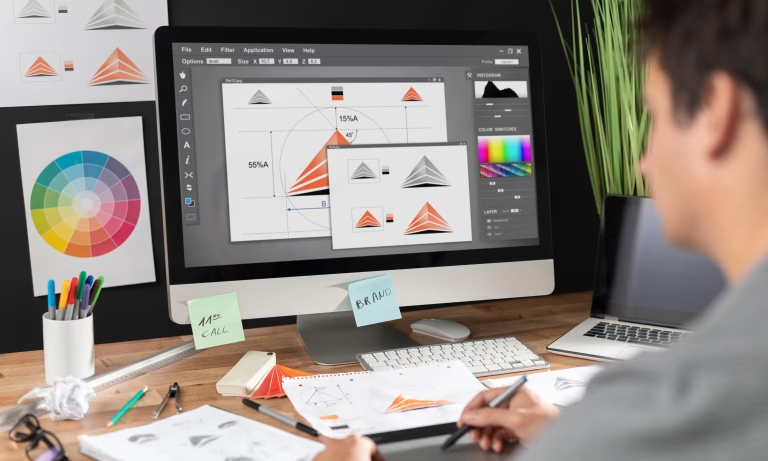
Human 3D animation involves creating digital visuals through artistic skill, technical expertise, and storytelling. It focuses on building characters, environments, and motion that feel natural and emotionally engaging.
This approach stands out in the AI vs human 3D animation discussion because of its ability to connect with audiences. Human animators understand nuance, emotion, and intent — elements that are difficult for AI to replicate.
Industries such as film, gaming, and advertising rely heavily on human creativity to produce memorable experiences. These projects require artistic direction that goes beyond automation.
Tools That Power Human Creativity
Even in the age of AI vs human 3D animation, traditional tools remain essential for professionals.
Popular tools include:
Autodesk Maya
Blender
ZBrush
Substance Painter
Unity
Unreal Engine
These tools give artists full control over their work, allowing for precision, flexibility, and creative freedom — key advantages in the AI vs human 3D animation landscape.
What Is AI 3D Animation?
AI 3D animation uses machine learning to automate parts of the animation process. In the context of AI vs human 3D animation, AI focuses on efficiency and scalability.
AI tools can:
Generate motion automatically
Assist with rigging and rendering
Speed up repetitive tasks
For example, AI-powered motion capture systems can translate real-world movement into digital animation quickly. This makes AI vs human 3D animation less about competition and more about improving workflow efficiency.
How AI Is Transforming the Industry
The impact of AI vs human 3D animation is visible across the entire industry. AI is helping studios reduce production time and costs while increasing output.
Key benefits include:
Faster production cycles
Lower operational costs
Scalable content creation
Improved workflow efficiency
AI allows studios to handle larger workloads without sacrificing quality. However, it still depends on human input to guide creativity and direction.
AI vs Human 3D Animation: Collaboration Over Competition
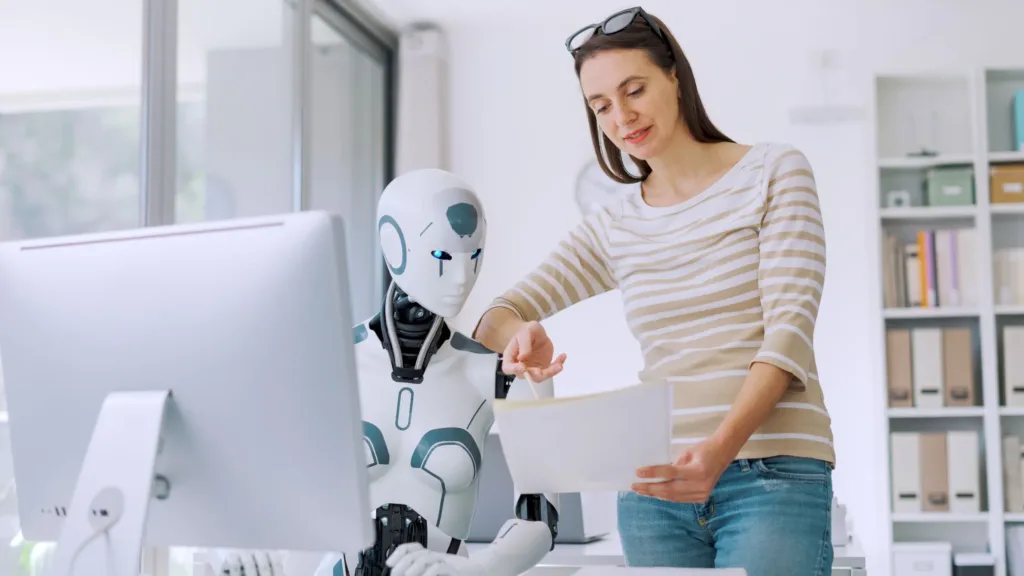
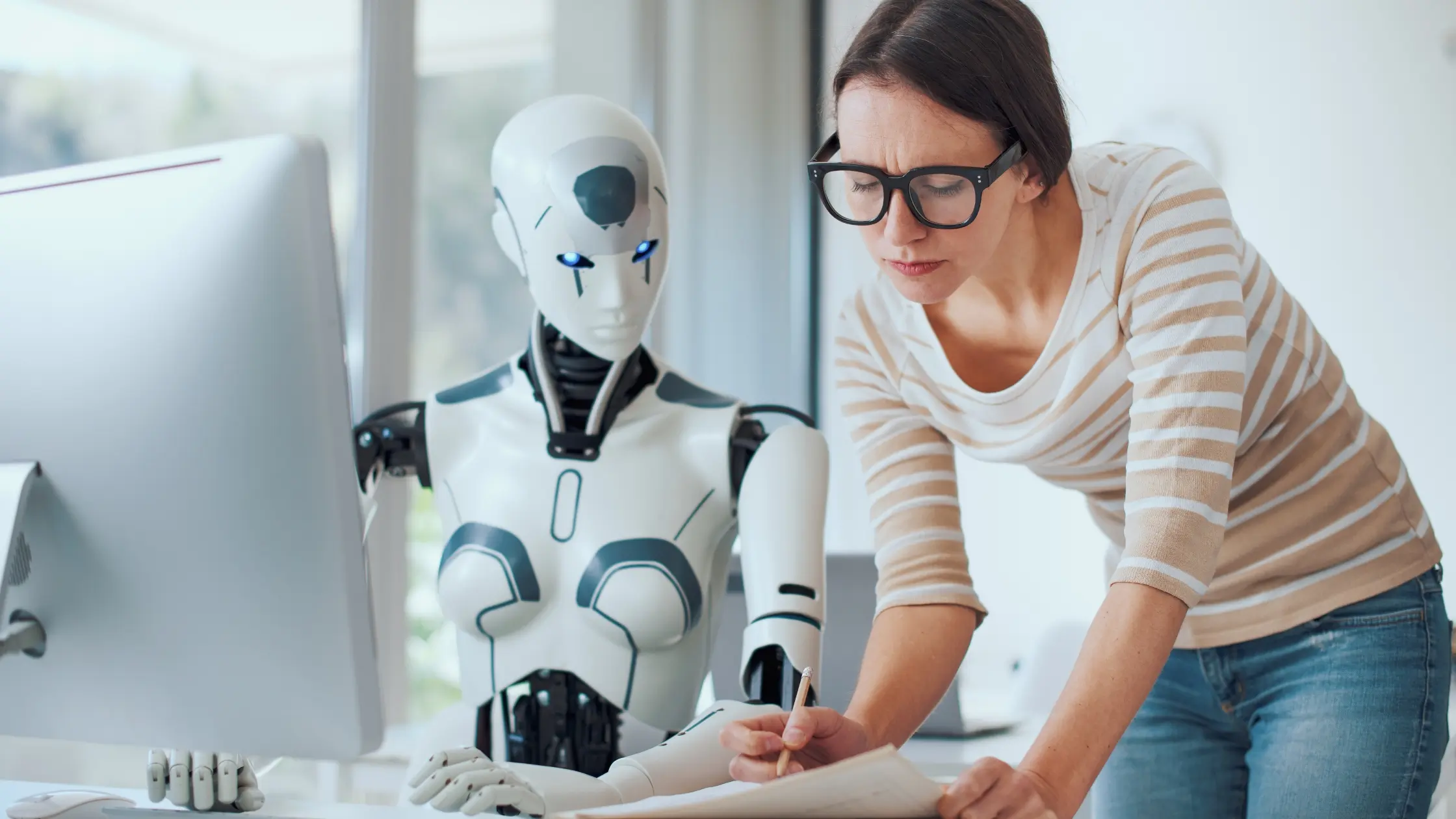
The most important takeaway from the AI vs human 3D animation debate is that both approaches work best together.
Many studios now use hybrid workflows where:
AI handles repetitive technical tasks
Humans focus on storytelling and creative direction
This collaboration allows teams to produce high-quality animation more efficiently. In reality, AI vs human 3D animation is not a battle — it’s a partnership.
Limitations of AI in Animation
Despite its advantages, AI still has limitations in the AI vs human 3D animation discussion.
AI struggles with:
Emotional storytelling
Creative decision-making
Understanding context and intent
Maintaining artistic consistency
These challenges highlight why human animators remain essential. AI can assist, but it cannot fully replace human creativity.
Conclusion: The Future Is Hybrid
The future of AI vs human 3D animation is not about choosing one over the other — it’s about combining both.
AI brings speed, automation, and scalability. Human animators bring emotion, creativity, and storytelling. Together, they create a more powerful and efficient production process.
At 2MC24/7, we combine advanced technology with creative expertise to deliver high-quality 3D visuals that perform in real-world applications.
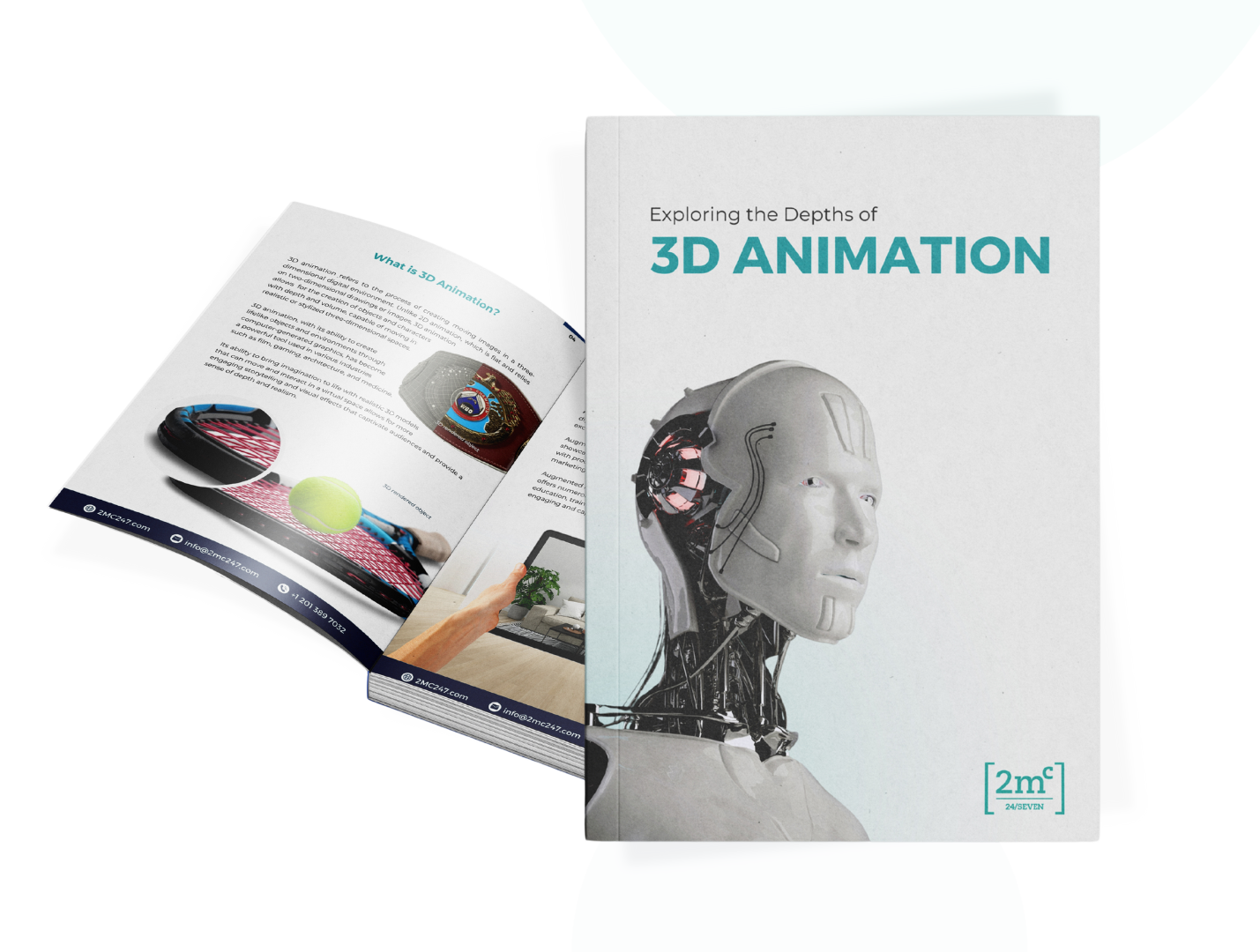
Get a free ebook, ‘Exploring the Depths in 3D Animation,’ packed with valuable insights on how 3D animation can benefit your business. Grab your copy now—available
for a limited time!