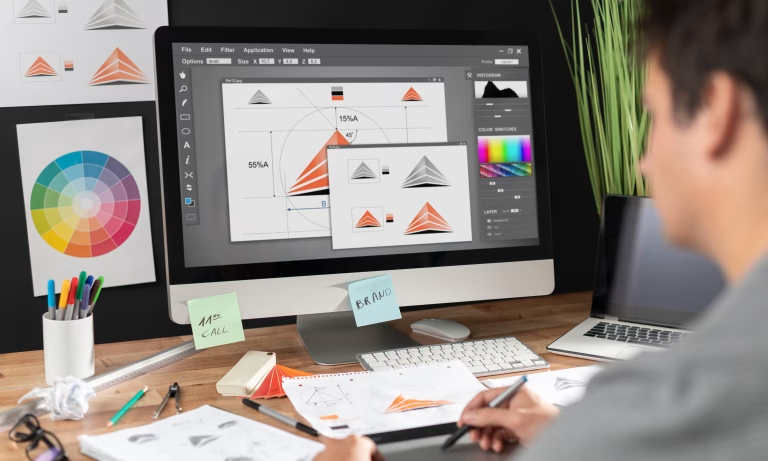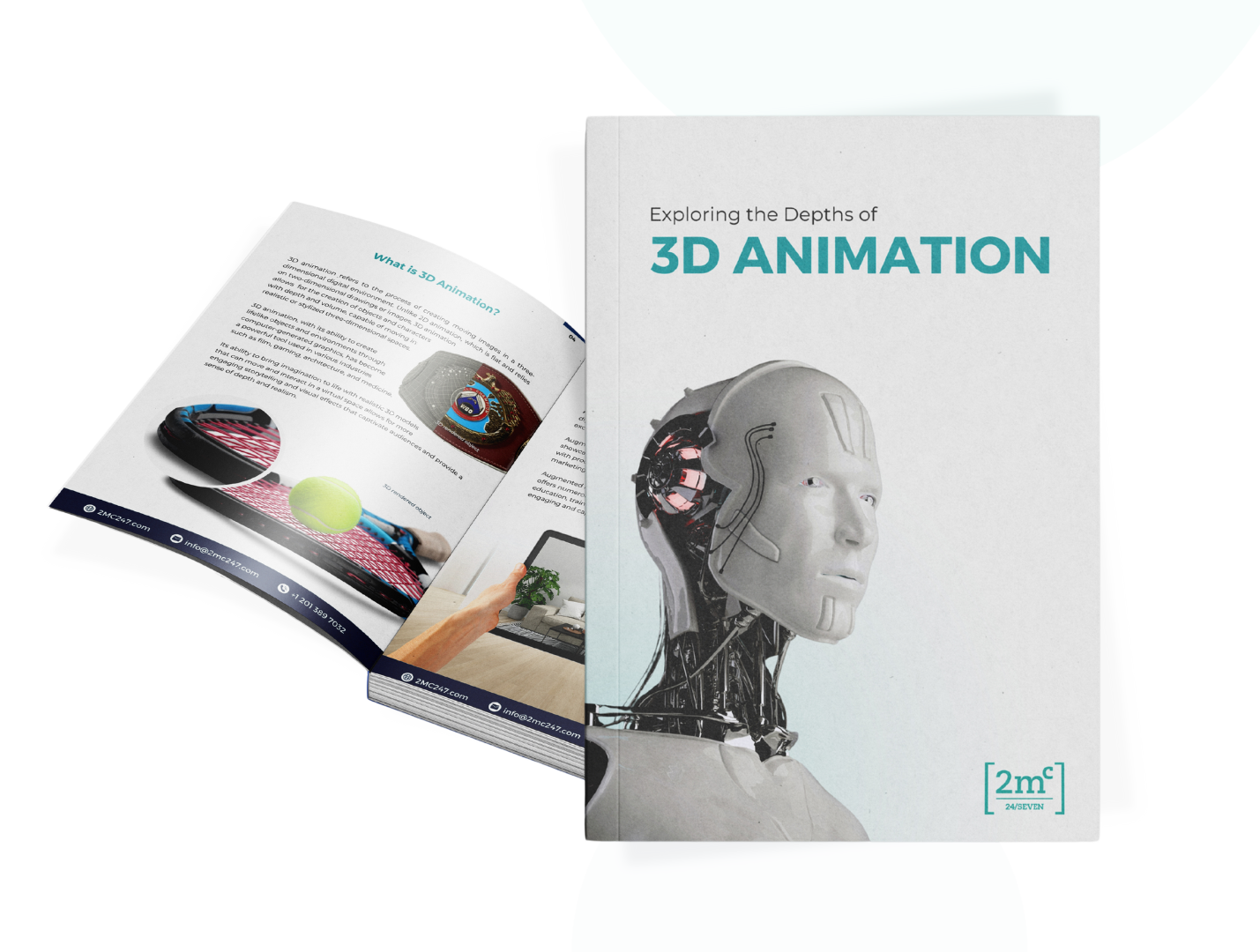
The rise of AI in 3D rendering is transforming how designers and studios approach visualization. What was once a manual, time-consuming process is now faster, smarter, and more efficient. As demand for high-quality digital content grows, AI in 3D rendering is becoming a key driver of innovation across industries such as architecture, retail, and product design.
Traditionally, creating realistic 3D visuals required hours of adjusting lighting, textures, and materials. Today, AI-assisted tools are changing that workflow, allowing designers to focus more on creativity and less on repetitive technical tasks.
Faster Workflows and Increased Efficiency
One of the biggest advantages of AI in 3D rendering is speed. Tasks that once took hours can now be completed in minutes through automation.
AI helps by:
- Automating lighting and material adjustments
- Generating previews in real time
- Reducing manual rendering setup
With tools powered by AI, designers can iterate faster, test multiple concepts, and deliver results more efficiently. This makes AI in 3D rendering especially valuable for studios handling large volumes of projects or tight deadlines.
Faster workflows also mean reduced production costs, allowing teams to allocate more time to creative exploration and refinement.
Improved Realism and Visual Quality
Beyond speed, AI in 3D rendering significantly improves realism. AI algorithms can simulate natural lighting, accurate shadows, and detailed surface textures with a level of precision that is difficult to achieve manually.
This leads to:
- More lifelike materials and reflections
- Better lighting accuracy
- Enhanced overall visual quality
With these capabilities, AI in 3D rendering helps designers create images that feel closer to real-world photography, improving how products and spaces are presented to clients.
Smarter Design Tools and Accessibility
Another major benefit of AI in 3D rendering is accessibility. Modern software now includes intelligent features that assist designers throughout the process.
These include:
- Auto-complete for design elements
- Error detection and correction
- Smart suggestions for materials and layouts
By simplifying complex tasks, AI in 3D rendering allows both experienced professionals and newer designers to work more efficiently. This lowers the barrier to entry while still maintaining high-quality output.

Immersive Experiences with AR and VR
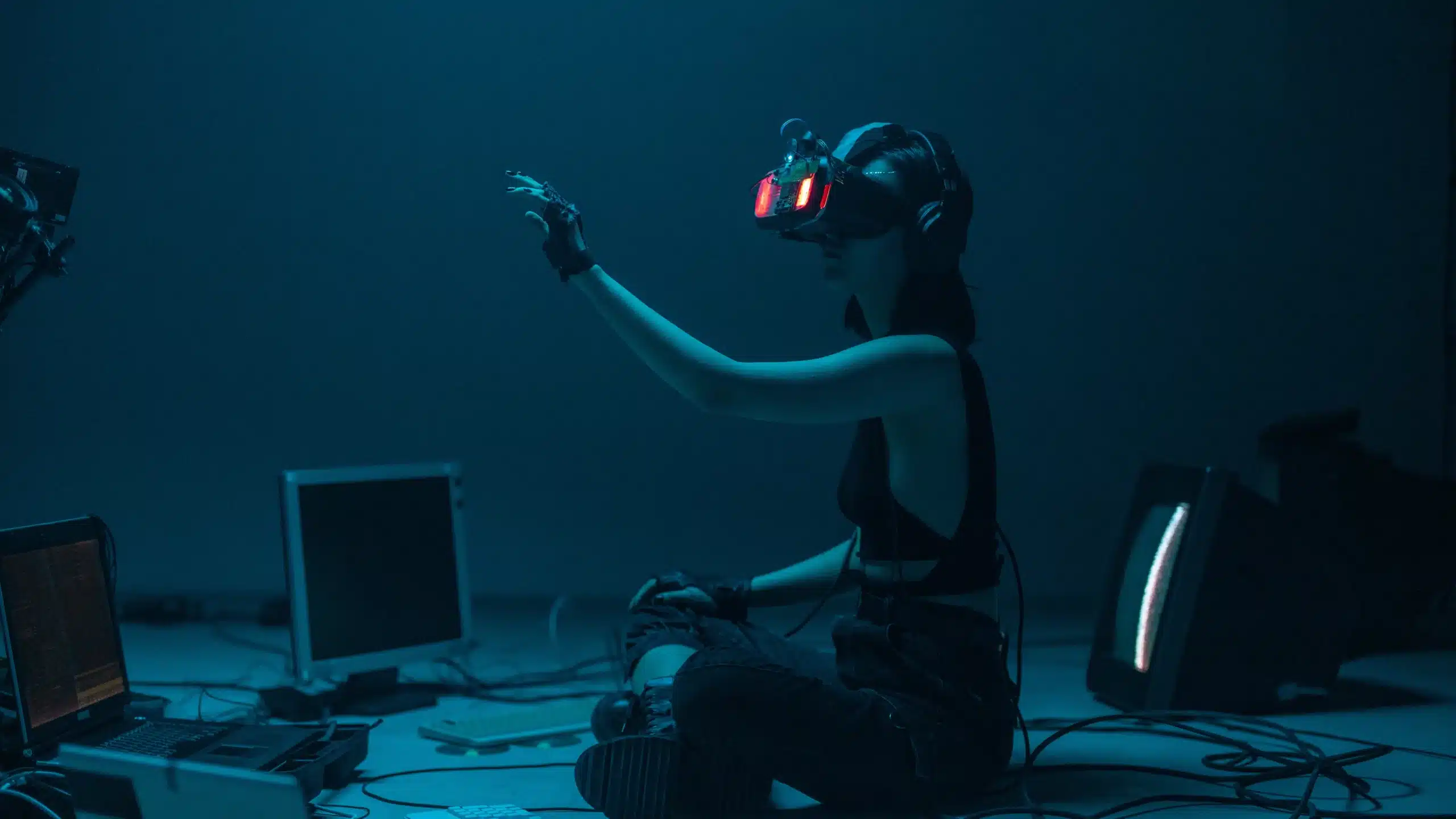
The integration of AI in 3D rendering with augmented reality (AR) and virtual reality (VR) is changing how clients interact with designs.
Users can now:
- Explore virtual environments
- View products in real-world settings
- Interact with designs before production
The integration of AI in 3D rendering with augmented reality (AR) and virtual reality (VR) is changing how clients interact with designs.
Users can now:
- Explore virtual environments
- View products in real-world settings
- Interact with designs before production
This creates a more engaging and interactive experience, helping clients make faster and more confident decisions. AI in 3D rendering enhances these technologies by ensuring visuals remain realistic and responsive in real time.

Data-Driven Design and Innovation
One of the most powerful aspects of AI in 3D rendering is its ability to analyze data and generate insights.
AI can:
- Identify design trends
- Analyze user behavior
- Suggest new creative directions
This enables designers to move beyond intuition and incorporate data-driven strategies into their work. As a result, AI in 3D rendering not only improves efficiency but also drives innovation.

Challenges and Considerations
While the benefits are clear, AI in 3D rendering also comes with important considerations.
AI systems rely on data, which means:
- Poor data can lead to inaccurate results
- Biases may affect outputs
- Human oversight is still necessary
Designers must guide AI tools carefully to ensure results remain accurate, inclusive, and aligned with project goals. This reinforces the idea that AI in 3D rendering is a tool — not a replacement for human creativity.
Conclusion: AI as a Creative Partner
AI in 3D rendering is not replacing designers — it is enhancing their capabilities.
By automating repetitive tasks, improving realism, and enabling faster workflows, AI allows designers to focus on creativity, storytelling, and innovation. This balance between technology and human input is what defines modern design.
At 2MC24/7, we use AI in 3D rendering alongside expert creative direction to deliver high-quality, scalable visuals for real-world applications.
Explore our 3D visualization services:
https://2mc247.com/
Because the future of design is not just faster — it’s smarter, more creative, and powered by collaboration between humans and AI.