AI vs CGI is one of the most important comparisons in modern marketing and digital production. In 2026, brands are deciding between AI vs CGI workflows to create faster, smarter, and more effective visual campaigns.
Artificial Intelligence can generate images in seconds, while Computer-Generated Imagery (CGI) delivers precise, fully controlled, and brand-safe visuals. Understanding the difference between AI vs CGI helps businesses choose the right solution for their creative and commercial goals.
While AI introduces speed and automation, CGI continues to dominate high-end advertising, product visualization, architecture, and e-commerce. The real question is not whether one replaces the other — but how AI vs CGI compare in terms of control, realism, scalability, and long-term brand consistency.
What Is AI in the AI vs CGI Comparison?
In the AI vs CGI discussion, AI refers to machine learning systems trained on large datasets to generate images based on prompts or references.
Instead of manually building visuals, users describe what they want, and the AI predicts and produces an output.
AI is ideal for:
Generating quick concept visuals
Creating mood boards
Exploring multiple creative styles
Producing rapid variations for social media
Running fast A/B tests
However, within the AI vs CGI comparison, AI can sometimes produce inconsistent lighting, unrealistic materials, or generic-looking outputs. While it excels at experimentation, it may lack the precise control required for high-end commercial production.
What Is CGI in the AI vs CGI Debate?
CGI (Computer-Generated Imagery) involves manually creating 3D visuals using professional software. Artists build every detail — geometry, textures, materials, reflections, lighting, and camera angles.
Because everything is intentionally designed, CGI provides:
Full creative control
Accurate product representation
Realistic material simulation (glass, metal, liquids, fabrics)
Consistent brand visuals across campaigns
Clear commercial ownership
In the AI vs CGI debate, CGI stands out for precision and reliability. It is the preferred solution for advertising campaigns, product launches, architectural rendering, and high-quality e-commerce imagery.
AI vs CGI: Key Differences Explained
The core difference between AI vs CGI comes down to speed versus control.
AI focuses on automation and rapid generation. CGI focuses on realism, accuracy, and brand consistency.
AI can produce multiple variations in seconds, making it useful during early creative exploration. CGI, on the other hand, ensures that lighting, proportions, materials, and colors are accurate and aligned with brand standards.
For businesses investing in long-term marketing assets, understanding these differences is essential.
What Is AI in the AI vs CGI Comparison?
When Should Brands Choose AI vs CGI?
AI performs best during early-stage creative development.
It is especially useful for:
Initial concept drafts
Style experimentation
Background or environmental scenes
Quick content generation for digital platforms
AI allows teams to move quickly and test ideas before committing to full production.
Long-term campaigns that demand visual consistency
High-resolution advertising assets
Commercial and legal security of visual assets
For example, a CGI render of a stainless steel product can precisely simulate reflections, brushed textures, and accurate lighting behavior — something AI may approximate but cannot reliably control across multiple campaigns.
AI vs CGI Hybrid Workflow in 2026
The most effective strategy in 2026 is combining both technologies.
AI accelerates early stages such as concept development, texture exploration, and background generation. CGI then refines the selected concept into a pixel-perfect, brand-compliant final visual.
This hybrid AI vs CGI workflow allows brands to maintain speed without sacrificing quality. It improves efficiency while preserving professional standards.
Why Brands Should Invest in CGI
Even as AI continues to evolve, CGI remains a strategic investment because it:
Builds customer trust through realistic visuals
Ensures materials and colors match real-world products
Allows asset reuse across multiple campaigns
Reduces long-term production costs
Supports scalable marketing across digital and print
In the evolving AI vs CGI landscape, brands that prioritize accuracy and consistency maintain a competitive advantage.
2MC 247’s Approach
At 2MC 247, we combine CGI expertise with AI-enhanced workflows to deliver fast, precise, and visually compelling results. AI supports iteration and optimization, while CGI guarantees brand consistency and commercial reliability.
This balanced approach gives brands both speed and precision.
Conclusion
AI is a powerful creative tool — but it does not replace CGI.
In the ongoing AI vs CGI comparison, the smartest strategy is understanding how each technology serves a different purpose. AI accelerates experimentation and concept development. CGI ensures accuracy, realism, and brand integrity.
For long-term, professional visuals that build trust and deliver measurable results, CGI remains the foundation — with AI acting as a complementary accelerator.
Understanding the differences between AI vs CGI is essential for brands that want to balance speed, creativity, and precision. While AI accelerates ideation, CGI ensures accuracy, realism, and long‑term brand consistency.
If you’re ready to elevate your visual strategy with high‑quality CGI or hybrid AI + CGI workflows, visit our websiteto explore our professional 3D visualization services and see how we help brands create powerful, market‑ready visuals.
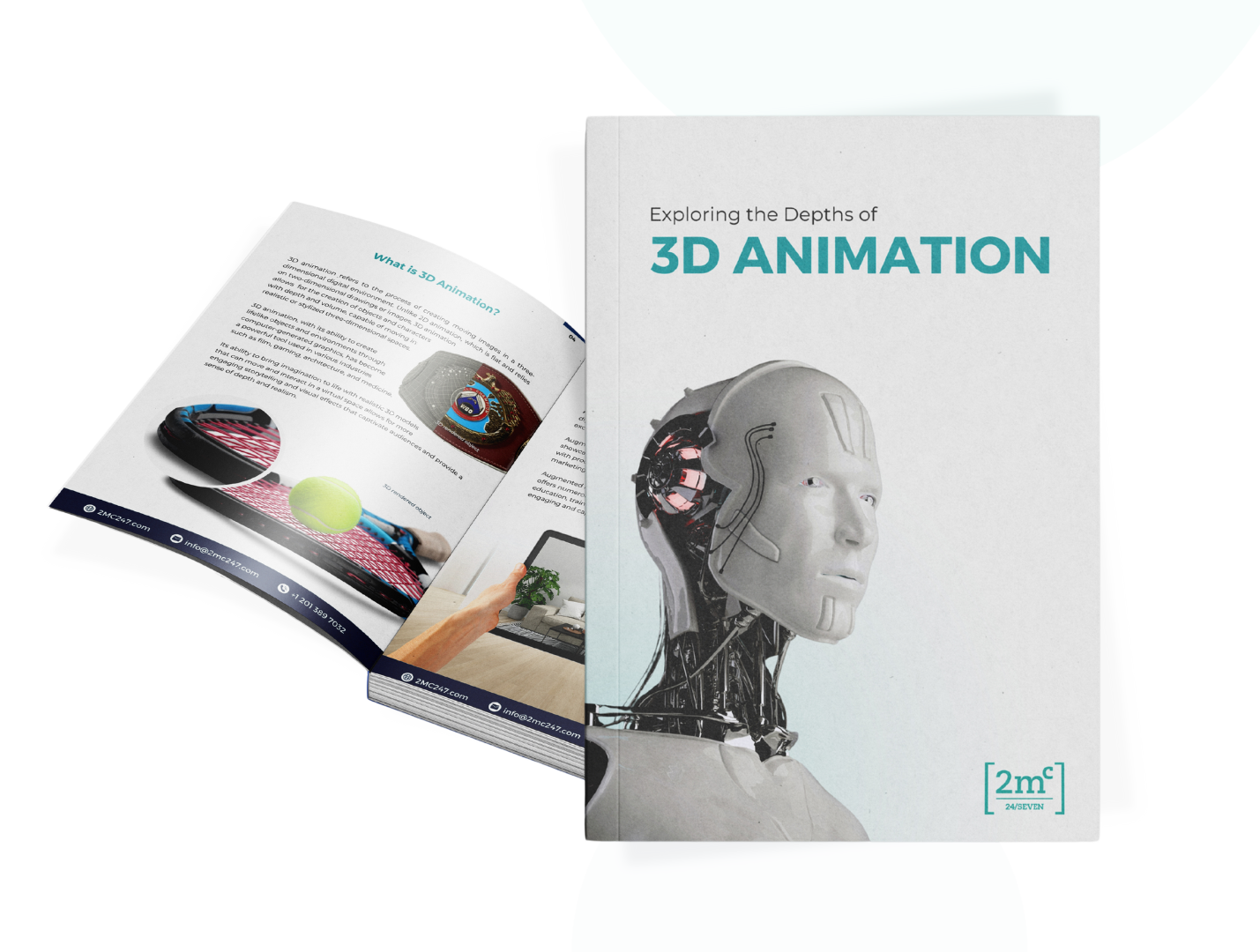
Get a free ebook, ‘Exploring the Depths in 3D Animation,’ packed with valuable insights on how 3D animation can benefit your business. Grab your copy now—available
for a limited time!