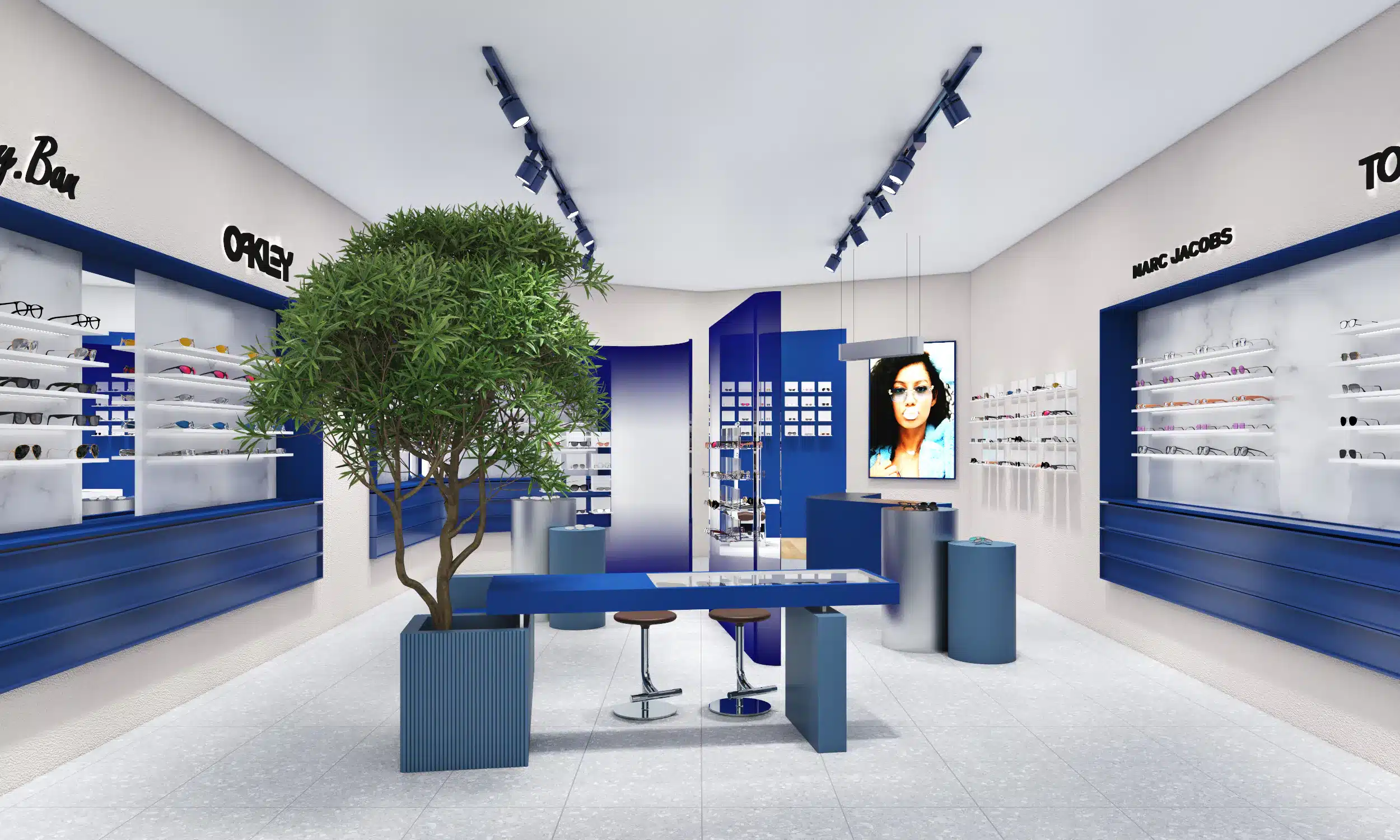
Retail CGI services help retail teams design stores efficiently. Designing retail stores is high-pressure: tight deadlines, limited budgets, and many people need to approve plans before construction. That’s why more retail teams rely on CGI and 3D visualization to make decisions faster and with less risk.
You may have seen the term “retail CGI architects.” It’s not usually an official job title, but it describes specialists who create photorealistic 3D renderings and virtual models of retail spaces. These visuals let teams review, approve, and market a store before it’s even built.
What Retail CGI Architects Do
- 3D modeling of the store layout
- Lighting and materials to make visuals realistic
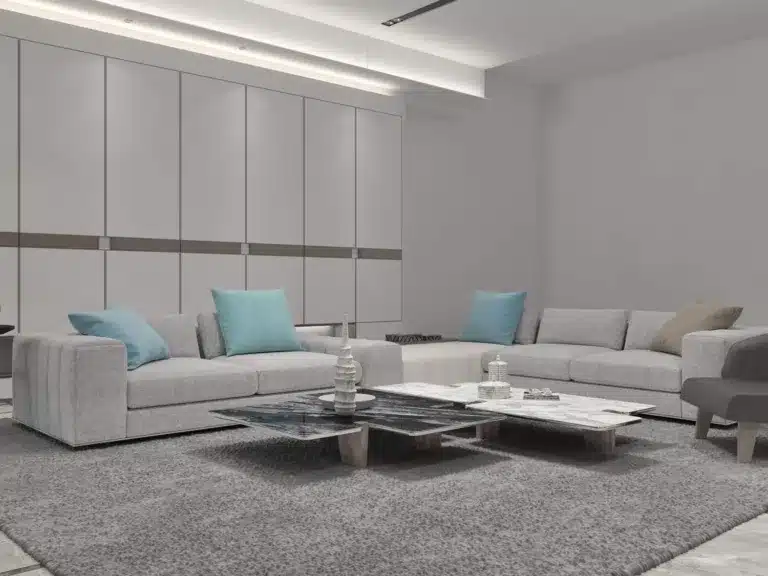
- Photorealistic renderings of key areas
- Walkthrough animations or interactive tours
- Sometimes VR-ready experiences for design review
Many come from architectural visualization backgrounds and understand both design and retail needs. The key is not the title — it’s the ability to turn plans into visuals that help decisions happen.
How Retail CGI Services Fit Into the Project Workflow
Phase 1: Concept & Direction
- Explore brand mood, layout, and feature displays
- Rough CGI helps stakeholders align quickly
Phase 2: Design Development
- Test materials, lighting, signage, and product displays
- Iterations happen faster and with higher accuracy
Phase 3: Stakeholder Approvals
- Show realistic visuals to executives, landlords, investors, or city officials
- Reduce confusion and catch issues early
Phase 4: Pre-Opening Marketing
- Use CGI for press releases, brochures, website pages, social media, and training
Deliverables Usually Include:
- Still renderings (hero shots, customer eye-level views)
- 3D floor plans
- Walkthrough animations
- 360 panoramas / interactive tours
- VR-ready experiences
Why Retail CGI Matters
- Faster decisions – Everyone sees the same clear visual, reducing misunderstandings.
- Better design accuracy – Spot design gaps, lighting issues, and spacing problems before construction.
- Stronger brand storytelling – Test the “look and feel” of a store and keep visuals consistent across locations.
Real-World Uses
- New store launches / rollouts: Ensure consistency across multiple locations.
- Renovations / rebrands: Decide what changes are essential and visualize before building.
- Pop-ups & experiential retail: Quickly plan branded moments, displays, and social-friendly spaces.
- Retail leasing: Help potential tenants imagine their brand in the space.
How Retail CGI Works
- 3D Modeling: Build the space in 3D using drawings, fixture layouts, and reference photos.
- Materials & Textures: Recreate wood, metal, glass, tiles, fabrics, and branded finishes.
- Lighting: Make products and spaces look real, emphasizing mood and quality.
- Cameras & Composition: Create views from the customer’s perspective (entry, mid-store, hero displays).
- Rendering & Post-Production: Produce polished images and videos ready for marketing or review.
Latest Trends
- VR Walkthroughs: Faster approvals for high-value or flagship stores
- AR & Mixed Reality: Test displays and fixtures in real spaces
- Digital Twins: Simulate layouts for training, maintenance, and redesign planning
- Virtual Stores: Reuse CGI assets across physical stores, e-commerce, and social media
Common Misconceptions
- CGI is just for marketing: It’s also for design approvals and decision-making.
- One hero image is enough: Multiple views are more useful than a single image.
- Realism comes in post-production: Realism starts with accurate modeling, materials, and lighting.
- CGI is too expensive for small stores: You can scale deliverables; even a few key images add value.
How to Choose a Retail CGI Partner
Look for:
- Retail understanding: Knowledge of brand identity, customer flow, and merchandising
- Consistency & control: Reliable quality across locations and revisions
- Workflow & communication: Efficient feedback, file management, and deadlines
- Scalability: Ability to handle multiple stores or deliverables
Practical checklist:
- Provide floor plans, elevations, fixture layouts, and brand guidelines early
- Define outputs clearly (stills, walkthroughs, VR, marketing vs approvals)
- Consolidate feedback and set revision rules
Conclusion
Retail CGI is more than pretty images. It speeds up decisions, reduces risks, and strengthens brand storytelling. From approvals to marketing, VR to social campaigns, CGI helps retail teams visualize success before the first brick is laid.