Powerful CGI Advertising in 2026: How CGI Ads Are Transforming Viral Marketing
In today’s fast‑paced digital landscape, CGI advertising is reshaping how brands approach viral marketing. As competition intensifies across social media platforms, digital billboards, and online channels, businesses need visually striking content that captures attention instantly.
Computer‑Generated Imagery (CGI) enables marketers to create immersive and imaginative campaigns that would be impossible—or extremely expensive—to produce using traditional methods. From hyper‑realistic product launches to surreal animated brand experiences, CGI blends creativity and technology to deliver measurable marketing impact.
In this guide, we’ll explore what CGI advertising is, why it’s rapidly growing, its key advantages, and real‑world examples of how brands are using CGI ads to drive engagement.
From hyper‑realistic product launches to surreal animated brand experiences, CGI advertising blends technology and creativity to deliver high‑impact marketing results. In this guide, we explore what CGI advertising is, why it is rapidly growing, its key benefits, and real‑world examples of how brands are using CGI ads to go viral.
From social media campaigns to large-scale digital billboards, CGI advertising enables brands to tell bold stories without the limitations of traditional production.
What Is CGI Advertising?
CGI advertising refers to the use of 3D modeling, rendering, and animation to create digital visuals for marketing campaigns. Instead of relying on physical photoshoots or large production setups, brands can build entire environments digitally.
With CGI, companies can showcase products:
Floating above futuristic cityscapes
Transforming into abstract art forms
Interacting with imaginative landscapes
Appearing in stylized, hyper‑real environments
This level of control allows marketers to push creative boundaries while maintaining realism and brand consistency.
Why CGI Is Dominating Viral Marketing
The growth of CGI in marketing is closely tied to the rise of short‑form video, social media, and digital out‑of‑home advertising.
Viral marketing depends on:
Scroll‑stopping visuals
Shareable creative concepts
Memorable storytelling
Cross‑platform adaptability
Digitally generated campaigns are highly adaptable and can be optimized for Instagram, TikTok, YouTube, websites, and digital billboards without the need for repeated production.
In a world where audiences consume content in seconds, bold visuals make a lasting impression.
Key Benefits of CGI for Brands
1. Unlimited Creative Freedom
One of the biggest advantages of CGI is the freedom to design concepts without physical limitations.
For example:
A smartwatch transforming into a glowing constellation
Sneakers navigating neon‑lit city streets
A coffee cup dissolving into colorful liquid visuals
These imaginative executions increase engagement and improve brand memorability.
2. Higher Engagement and Brand Recall
Visually dynamic campaigns naturally capture attention. When audiences encounter impressive digital visuals, they are more likely to:
Stop scrolling
Share the content
Remember the brand
Interact with the product
This makes CGI a powerful tool for increasing brand awareness.
3. Cost‑Efficient and Scalable Production
Traditional campaigns often involve:
Studio rentals
Physical sets
Large production crews
Travel and logistics
Digital production reduces many of these costs. Once a 3D asset is created, it can be reused across:
Social media ads
Website visuals
Digital billboards
Product launch videos
Interactive campaigns
This long‑term scalability makes CGI a strategic investment.
4. Speed and Flexibility
Need to update packaging? Change product colors? Localize for another market?
Digital assets can be modified quickly without reshooting an entire campaign. This flexibility supports:
A/B testing
Seasonal promotions
Multi‑market launches
Rapid product updates
Speed is a major competitive advantage in modern marketing.
Real‑World Examples of CGI Campaigns
Many global brands use digitally generated campaigns to create buzz and engagement:
Luxury watches floating above virtual skylines
Energy drinks moving through animated high‑impact environments
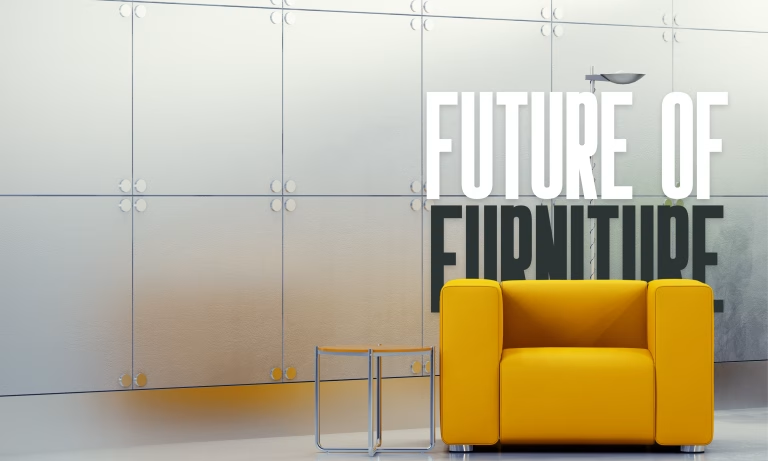
Sustainable furniture transforming between eco‑friendly materials
Sneaker brands launching products in futuristic digital cities
These campaigns blend storytelling, design, and technology to generate attention and shareability.
Why Brands Are Investing in CGI
Forward‑thinking brands invest in CGI because it offers:
Stronger brand differentiation
Greater creative control
Reduced production limitations
Higher digital engagement
Reusable campaign assets
When integrated into a broader digital strategy, CGI can significantly enhance campaign performance and long‑term brand growth.
For industry insights on digital advertising trends, you can reference resources like HubSpot or Think with Google (add dofollow outbound link).
Conclusion: The Future of Digital Advertising
As digital platforms continue to evolve, CGI will play an even larger role in shaping innovative marketing strategies. By combining creativity, storytelling, and advanced visualization techniques, brands can create campaigns that captivate audiences and drive measurable results.
At2MC 247, we specialize in high‑impact CGI solutions designed to elevate your brand across digital channels. Whether launching a new product or building social‑first content, our team helps transform bold ideas into visually compelling campaigns.
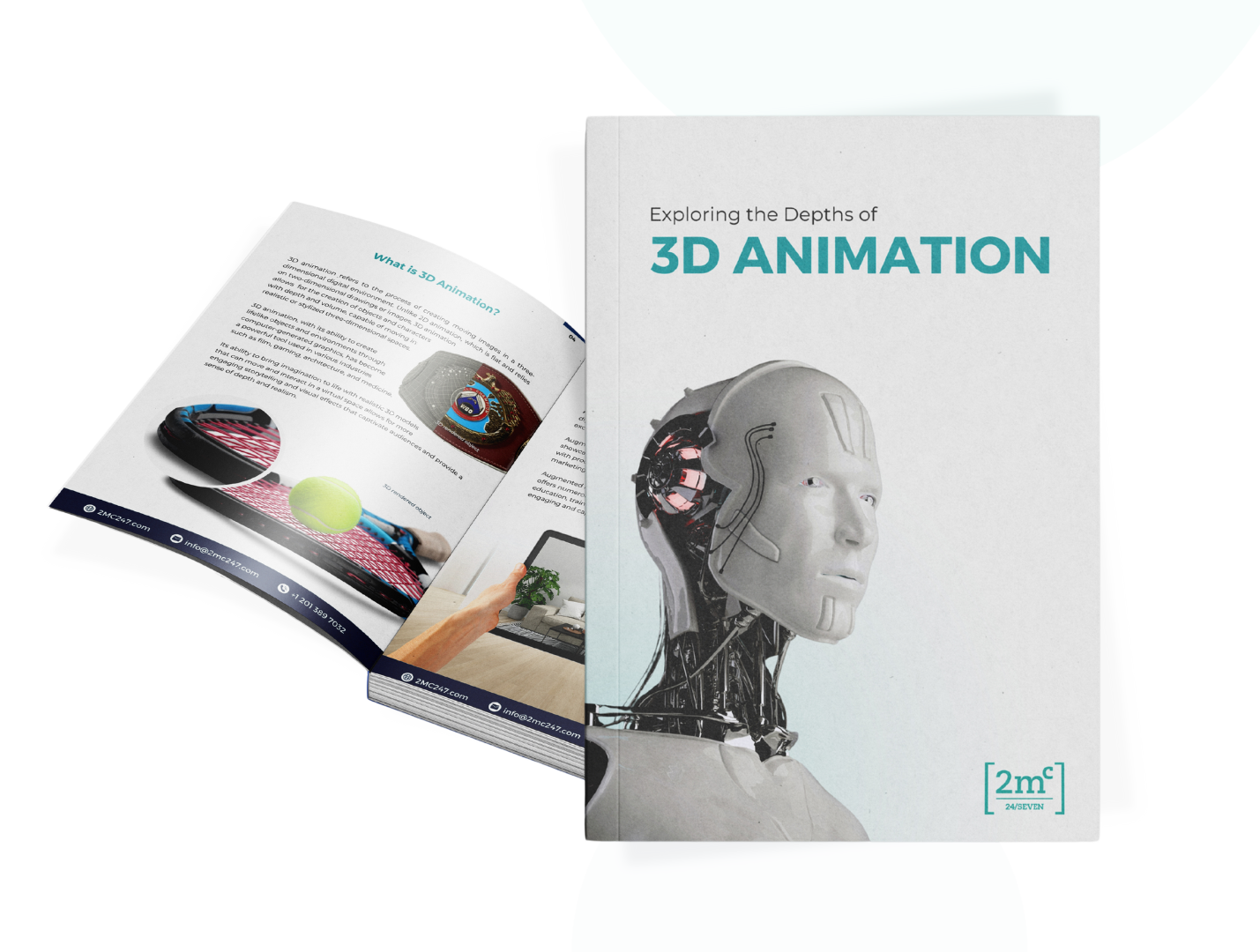
Get a free ebook, ‘Exploring the Depths in 3D Animation,’ packed with valuable insights on how 3D animation can benefit your business. Grab your copy now—available
for a limited time!