In 2026, the debate around AI vs CGI has become central to design, marketing, and digital production. As brands explore faster ways to create content, understanding AI vs CGI is essential for making smart, future-proof decisions.
The comparison between AI vs CGI highlights two very different approaches to visual creation. Artificial Intelligence (AI) can generate images, videos, and concepts within seconds, while Computer‑Generated Imagery (CGI) continues to dominate high‑end advertising, product visualization, and architectural rendering.
Although both technologies create digital visuals, the AI vs CGI discussion reveals major differences in control, realism, and commercial reliability.
What Is AI in Visual Content Creation?
Artificial Intelligence uses machine learning models trained on large datasets to generate outputs based on prompts or references. Instead of manually building every visual element, users describe what they want, and the system predicts a result.
Key Characteristics of AI
Rapid image and concept generation
Multiple variations in seconds
Useful for mood boards and brainstorming
Multi‑modal outputs (text, image, short video)
AI works through pattern recognition rather than true creative intent. While it excels in speed, it may produce inconsistent brand visuals or generic results without careful prompt control.
Limitations of AI
Limited material precision
Inconsistent brand alignment
Legal and copyright uncertainties in some regions
Reduced control over lighting, geometry, and realism
AI is powerful for early-stage ideation, but it often lacks the fine control required for commercial production.
What Is CGI in the AI vs CGI Comparison?
CGI refers to manually created 3D visuals built using professional software. Every element — geometry, materials, lighting, reflections, and camera composition — is intentionally designed by artists.
Unlike AI-generated visuals, CGI is fully controlled and detail-oriented.
Because everything is manually crafted, CGI delivers highly accurate and commercially reliable results.
Why Brands Rely on CGI
Photorealistic product renders
Architectural visualization
Commercial advertising campaigns
AR/VR environments
E-commerce product imagery
While CGI requires time and expertise, it provides unmatched realism and brand consistency.
In the AI vs CGI comparison, CGI stands out for realism, control, and brand fidelity.
Key Differences Between AI and CGI
The core difference in AI vs CGI comes down to speed versus control.
AI prioritizes rapid output and experimentation.
CGI prioritizes precision, realism, and consistency.
One is optimized for exploration, the other for execution.
When Should Brands Use AI?
Artificial intelligence performs best during early creative exploration.
Ideal Use Cases
Mood boards and concept drafts
Social media variations
Style experimentation
A/B testing visuals
Background mockups
AI accelerates creativity but still requires human direction and refinement.
Where CGI Still Dominates
Computer-generated imagery remains essential for:
High-end product visualization
Accurate material simulation (glass, metal, liquids)
Long-term brand campaigns
Architectural renderings
Commercial and print advertising
For example, a CGI render of a stainless steel refrigerator can precisely simulate reflections and brushed metal textures — something AI may approximate but cannot reliably control at a production level.
The Rise of Hybrid Workflows in 2026
Leading studios now combine both technologies for optimal results.
Hybrid Workflow Example
AI generates rapid concept variations
Designers select the strongest direction
CGI artists rebuild the scene with full control
Final renders are polished for marketing
This hybrid approach merges speed with precision, allowing brands to move faster without compromising quality.
Pros and Cons at a Glance
AI Advantages
✔ Fast concept creation ✔ Low barrier to entry ✔ Multi-format output
✔ Complete creative control ✔ Photorealistic accuracy ✔ Commercial reliability
CGI Disadvantages
✖ Requires time and expertise ✖ Less suitable for rapid brainstorming
Final Thoughts: Why AI vs CGI Matters for Brands in 2026
The conversation around AI vs CGI is not about replacement — it is about strategic application.
Use AI when speed and experimentation are the priority. Use CGI when accuracy, realism, and brand integrity are essential.
Brands that understand how artificial intelligence and computer‑generated imagery complement each other gain a competitive advantage in 2026.
If you’re ready to elevate your visual strategy with professional CGI or hybrid AI‑enhanced workflows, explore our 3D visualization services at 2MC 24/7 and discover how we turn ideas into precise, high‑impact visuals.
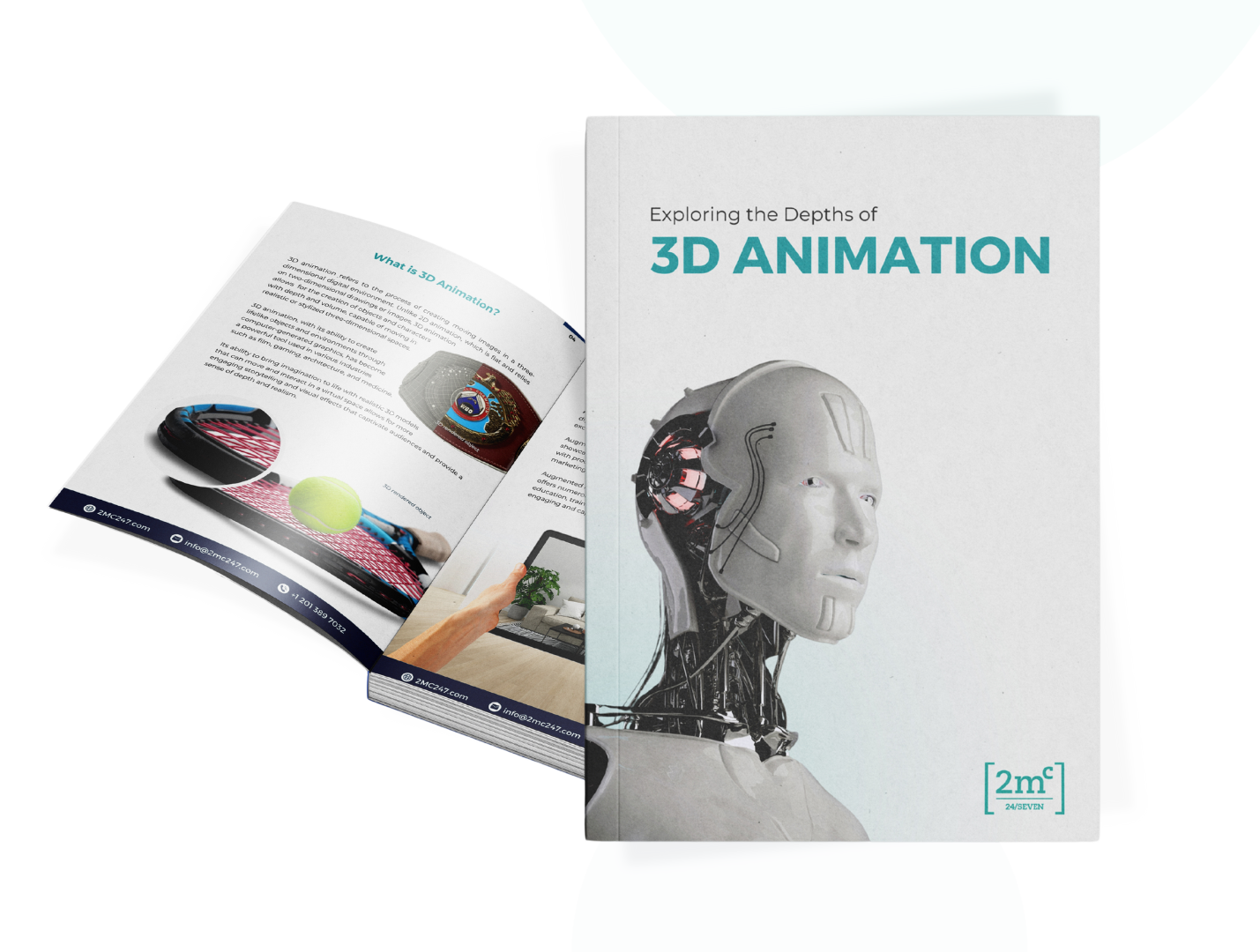
Get a free ebook, ‘Exploring the Depths in 3D Animation,’ packed with valuable insights on how 3D animation can benefit your business. Grab your copy now—available
for a limited time!