In today’s digital creative world, the question of how AI replace 3D artists impacts studios and workflows is more relevant than ever. With AI tools generating visuals in seconds, it’s easy to assume traditional 3D roles are at risk.
However, the reality is more nuanced. AI replace 3D artists is not about elimination — it’s about transformation. Instead of removing talent, AI is reshaping workflows and pushing artists toward more strategic, decision-driven roles. This allows studios to become faster, more efficient, and more innovative.
The growing use of AI across creative industries shows that technology is not replacing people — it is redefining how work is done. For 3D artists, this means adapting to new tools while continuing to lead the creative process.
AI Is Changing the Workflow, Not Eliminating the Role
AI is already transforming multiple stages of the 3D production pipeline. Tasks that once required hours can now be completed in minutes with AI-assisted tools.
Where AI makes the biggest impact:
Faster ideation and concept generation
Assisted rendering and image enhancement
Automation of repetitive tasks like texturing and variations
Because of this shift, AI replace 3D artists workflows are becoming essential for modern production efficiency. However, these tools still rely on human input to guide quality, intent, and storytelling.
Many studios report faster production timelines when using AI-powered design tools (https://www.autodesk.com/solutions/ai), proving that AI enhances productivity rather than replaces talent. This reinforces the idea that AI replace 3D artists is about collaboration, not substitution.
The Shift from Execution to Creative Direction
The role of 3D artists is evolving beyond execution. Instead of focusing only on technical production, artists are now responsible for guiding the creative vision.
Key changes include:
From asset creation →to storytelling and communication
From technical work →to creative problem-solving
From manual production →to directing AI-assisted outputs
As AI replace 3D artists workflows evolve, artists are becoming creative directors — focusing on intent, meaning, and visual clarity. This shift increases the importance of human judgment in achieving high-quality results.
Why AI Still Can’t Replace 3D Artists
Despite rapid advancements, AI replace 3D artists cannot fully replicate human creativity and decision-making.
Limitations include:
Lack of deep understanding of design intent
Inconsistent representation of scale and usability
Difficulty maintaining brand consistency
Limited ability in storytelling and emotional impact
These challenges highlight that while AI replace 3D artists can assist production, it cannot replace the critical thinking and artistic direction required in professional 3D visualization.
What This Means for the Industry
The rise of AI replace 3D artists workflows is reshaping the industry in several key ways.
Key impacts:
Smaller but more skilled teams
Faster production pipelines
Higher expectations for visual quality
Greater emphasis on creative direction
At 2MC24/7, AI is used as a tool to enhance productivity, helping teams create high-quality visuals faster while maintaining full creative control. This approach ensures that technology supports artists rather than replacing them.
How 3D Artists Can Stay Relevant
To stay competitive, artists must adapt to how AI replace 3D artists is shaping workflows.
Strategies include:
Learning AI-assisted tools to speed up production
Focusing on storytelling and communication
Strengthening creative direction skills
Understanding when human judgment is essential
Artists who embrace how AI replace 3D artists works will remain highly valuable and continue to lead creative innovation in the industry.
Conclusion: AI Is Redefining, Not Replacing
AI replace 3D artists is not about replacement — it is about evolution.
Automation improves efficiency and reduces repetitive work, but creativity, storytelling, and strategic thinking remain human strengths. As AI continues to develop, the role of 3D artists will become even more important in guiding and refining visual output.
For brands, this shift means faster production, scalable content, and better visual consistency. For artists, it opens new opportunities to move into higher-value roles focused on direction and innovation.
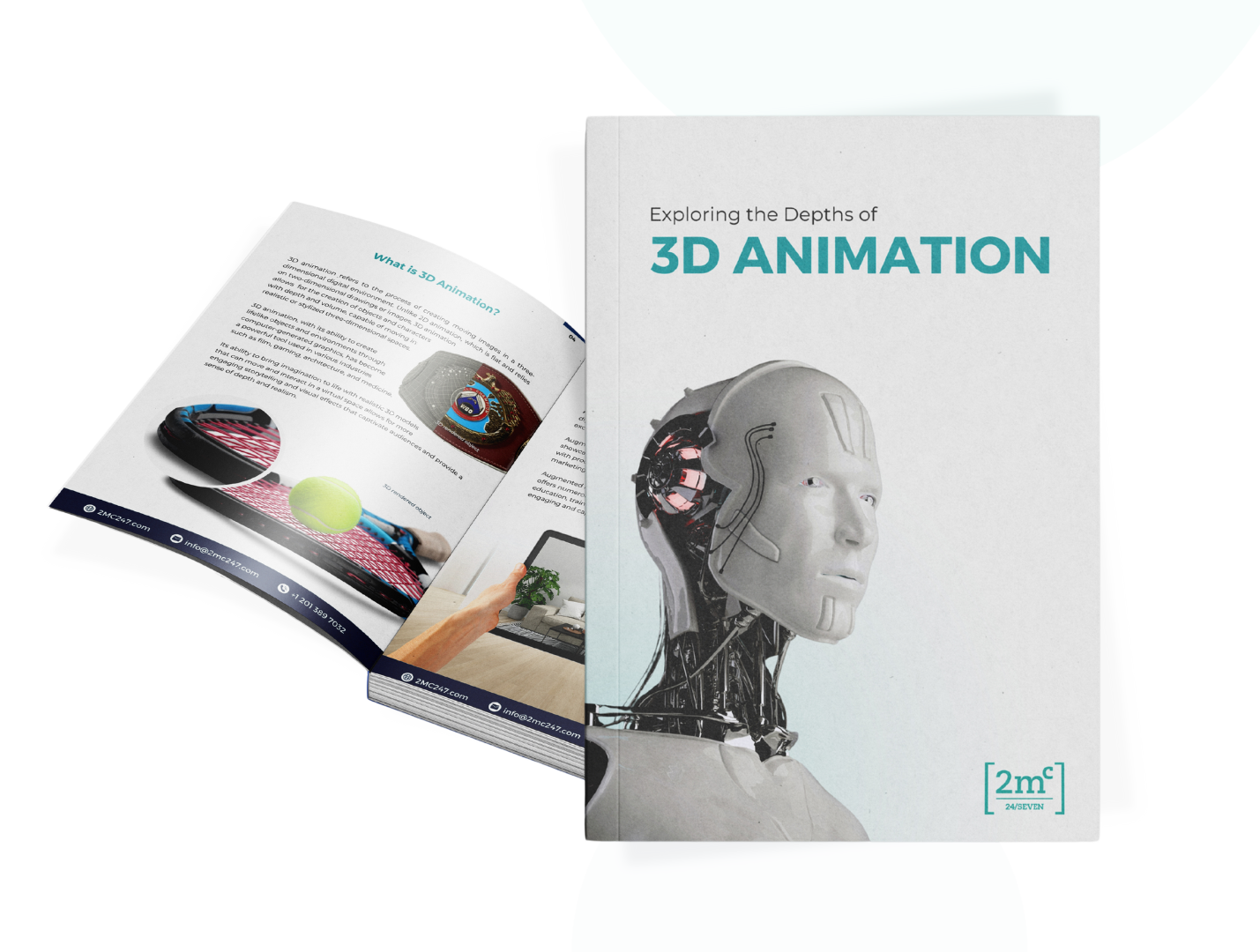
Get a free ebook, ‘Exploring the Depths in 3D Animation,’ packed with valuable insights on how 3D animation can benefit your business. Grab your copy now—available
for a limited time!