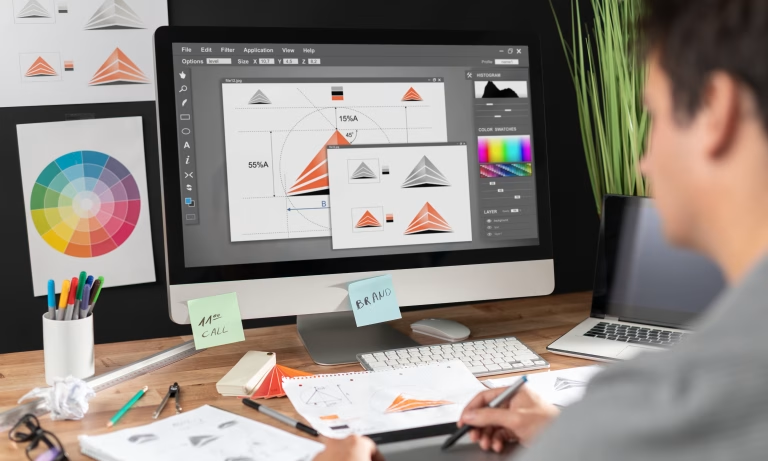
The challenge of 3D studio scalability is becoming more common as demand for high-quality visual content continues to grow. Most studios don’t struggle because they lack talent — they struggle because they try to scale without fixing their systems.
When project demand increases, the natural reaction is to hire more artists, coordinators, and support staff. On the surface, this makes sense: more work should require more hands. However, without strong systems in place, 3D studio scalability quickly becomes a problem of inefficiency rather than capacity.
Instead of improving output, teams often experience more delays, confusion, and bottlenecks. Research shows that inefficient workflows can reduce project delivery speed by 20–40%, regardless of team size, making this an urgent problem to address.
Where 3D Studio Scalability Breaks First
When studios begin handling multiple projects simultaneously, cracks in 3D studio scalability start to appear.
1. Communication Overload
As projects multiply, communication increases exponentially. Feedback loops, revisions, approvals, and file sharing all happen at once.
This overload reduces productivity. Teams spend more time coordinating than creating, which slows delivery and impacts overall efficiency. Poor communication structure is one of the biggest threats to 3D studio scalability.
For example, a studio managing 10 simultaneous projects without standardized updates can spend 50% of their time just tracking changes instead of producing renders.
2. Inconsistent Output Quality
Without standardized workflows, every project is handled differently.
This includes:
File structures
Naming conventions
Rendering setups
Review processes
These inconsistencies may seem minor but compound over time. As more artists contribute, maintaining quality becomes harder, directly affecting 3D studio scalability. A single inconsistent asset can create cascading delays, especially in large campaigns.
3. Leadership Becomes the Bottleneck
As teams grow, decision-making often fails to scale.
Instead of distributing responsibility, approvals and creative direction remain centralized. This creates a bottleneck where one or two people control progress across multiple projects.
This issue significantly limits 3D studio scalability, slowing production regardless of team size. Bottlenecked leadership can reduce output efficiency by up to 35% in mid-sized creative studios.
Why Hiring More People Doesn’t Fix 3D Studio Scalability
Hiring increases capacity, but it doesn’t fix structure.
Without proper systems, adding more people leads to:
Miscommunication
Redundant work
Increased revisions
Output inconsistency
In this scenario, 3D studio scalability doesn’t improve — it deteriorates. Instead of scaling output, studios end up scaling chaos.
Investing in system-first workflows is more effective than simply adding headcount. Clear pipelines and standardized processes save time, reduce errors, and allow studios to handle more projects efficiently — producing measurable ROI in both time and cost savings.
The Real Solution: System-First Scaling
Key elements include:
Clear production pipelines
Standardized workflows
Defined roles and responsibilities
Structured feedback systems
Consistent file and asset management
When these systems are in place, scaling becomes smoother and more predictable. The process carries the workload, not just individuals. Studios that adopt a system-first approach can increase throughput by 2–3x without adding extra hires. This approach also improves team morale, reduces stress, and ensures consistent high-quality output across all projects.
The Mindset Shift That Changes Everything
Most studios ask: “How do we handle more projects?”
High-performing studios ask: “How do we improve our system to handle more projects?”
This mindset shift is critical for achieving long-term 3D studio scalability. It separates reactive teams from those that scale efficiently and sustainably.
Conclusion: Build Systems Before You Scale
3D studio scalability is not about hiring faster — it’s about building smarter systems.
Studios that scale successfully are not the ones with the most people, but the ones with the strongest workflows. Once processes are stable, growth becomes a natural outcome instead of a constant struggle.
At 2MC24/7, we help studios create efficient, scalable workflows that support long-term growth, reduce bottlenecks, and increase output quality.
Because true 3D studio scalability doesn’t come from adding more people — it comes from building a system that doesn’t break as your projects grow. Implementing structured pipelines and system-first practices ensures your studio can take on more projects without stress, delays, or chaos.
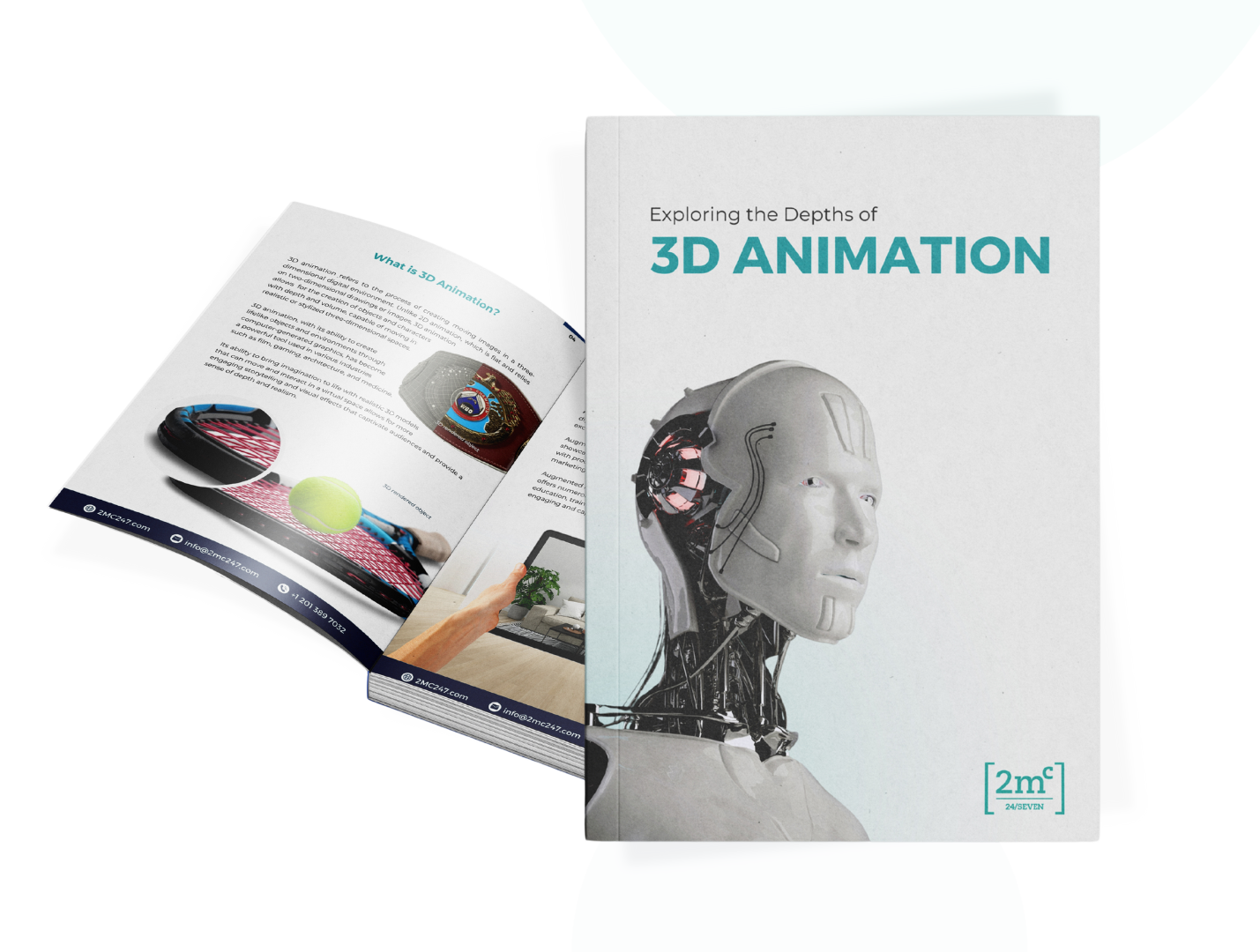
Get a free ebook, ‘Exploring the Depths in 3D Animation,’ packed with valuable insights on how 3D animation can benefit your business. Grab your copy now—available
for a limited time!